Colorado’s history is often reduced to the Wild West and the Gold Rush, but that’s only part of the story. Long before Colorado’s mining towns and waves of settlers, the region was home to many Native American tribes: the Ute (Nuuchu), Cheyenne (Tsistsistas), and Arapaho (Hinono’ei) peoples, among others, had homelands across the eastern plains and Rocky Mountains, while the Navajo (Diné) have longstanding ties to the region’s southwestern corner.
Despite everything that has been taken away from Colorado’s Native people, they have also given so much to this state. Rarely mentioned are the Indigenous women who played important roles in Colorado’s history. Among them are Amache Ochinee Prowers, Chipeta, Mistanta (Owl Woman), and Shawsheen.
Indigenous history in Colorado
In the 1820s and 1830s, white traders and explorers began establishing posts in Colorado, followed by an influx of settlers in the 1850s chasing gold. The Gold Rush, along with agricultural expansion, railroad construction, stagecoach routes, and mining operations, disrupted Native American ways of life and led to growing conflict with settlers and the U.S. military.
One chapter often left out of that story is the Sand Creek Massacre. In November 1864, Colorado military forces attacked a peaceful Cheyenne and Arapaho camp and killed between 150 and 230 people, most of them women and children.
Throughout the second half of the 19th century, Native American tribes were pushed onto reservations, where they faced poverty, disease, and government efforts to erase their cultures. One of these efforts was the boarding-school system, which forcibly removed Native children from their families and prohibited them from practicing their cultural traditions and speaking their languages.
Today, Colorado is home to the Southern Ute and Ute Mountain Ute Tribes, while the Cheyenne and Arapaho people maintain deep historical ties to the state. Their communities continue to work to revitalize their cultures and languages despite generations of discrimination and suppression.
Four remarkable Indigenous women in Colorado history
Ameohtse’e (Amache) Ochinee Prowers
Ameohtse’e (Amache, or Walking Woman) Ochinee Prowers was a Southern Cheyenne woman born in 1846, although her exact birth date is unknown. She lived until 1905 and was inducted into the Colorado Women’s Hall of Fame in 2018.
Amache is known for a number of different things. She was the daughter of O’kenehe (Ochinee/One-Eye), a prominent Cheyenne chief who was murdered during the Sand Creek Massacre, and the wife of a white man named John Prowers. However, Amache was much more than someone’s daughter or someone’s wife.
She was a mother of nine, a businesswoman, and, most notably, a mediator between cultures. With John, she built a cattle ranch, store, and hotel at Boggsville, and she brought her own land and labor to the business. But while she became part of this growing community, she never abandoned her Cheyenne heritage. She spoke Cheyenne and Spanish, taught her children the Cheyenne language and traditions, and maintained cultural practices in her own home. She even kept a teepee in the backyard as a place to retreat from the changing world around her.
Amache understood that her Cheyenne heritage and the traditions of the Euro-American and Mexican communities around her could coexist. She helped bridge these different cultures by building relationships and creating a place where people from different backgrounds could come together.
Chipeta
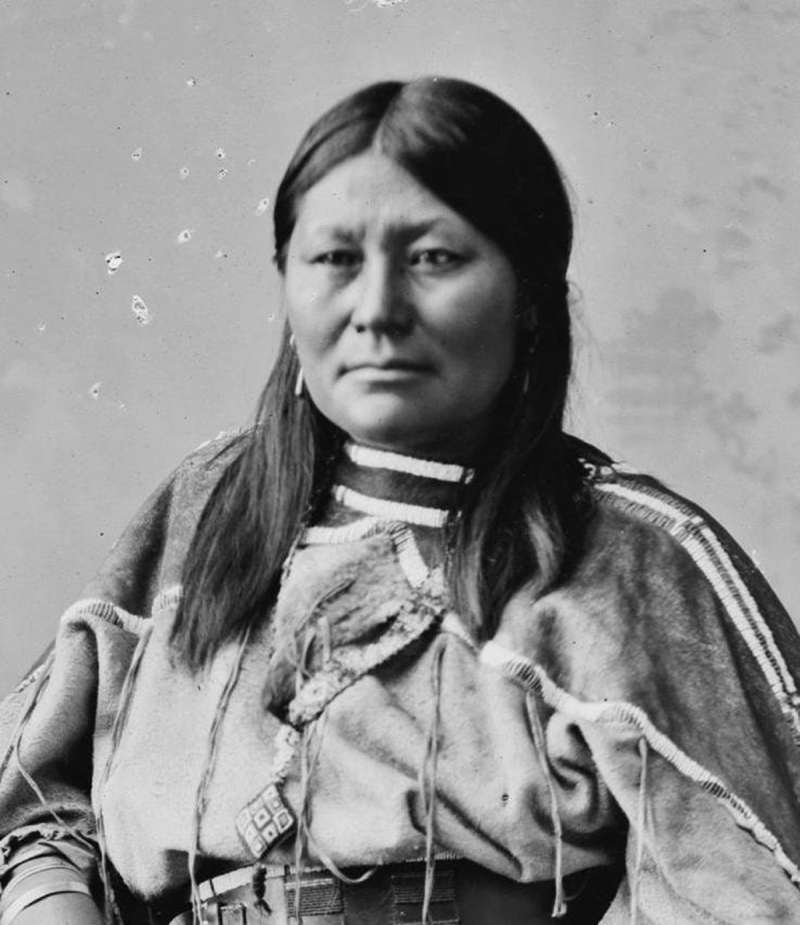
Chipeta’s life begins with tragedy, but her story is anything but tragic. Born around 1843, she was the sole survivor of an attack on a Kiowa Apache village that claimed the lives of her family and people. At just two years old, she was found by a band of Ute people, who adopted and raised her. She would go on to marry Chief Ouray when she was just 16 years old, and he was 26.
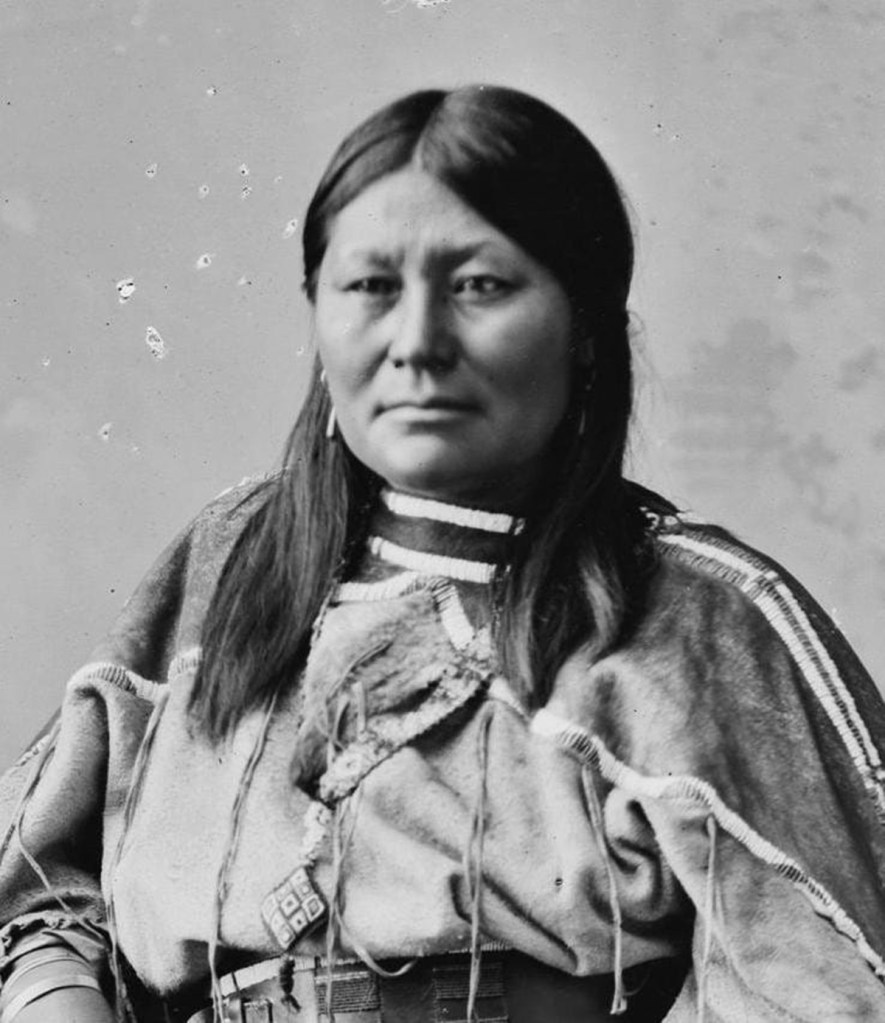
Their marriage coincided with the Colorado Gold Rush. The discovery of gold brought thousands of white settlers into Ute territory and created growing tensions over land and resources. Rather than responding with hostility, Chipeta and Ouray became known for their efforts to establish peace between their people and the newcomers. Chipeta was Ouray’s trusted adviser and accompanied him to treaty negotiations; it’s said she was the only woman permitted to sit in Ute tribal councils.
Her commitment to peace extended beyond politics. She was known for her kindness and generosity toward white settlers. In 1879, following the Meeker Massacre, she helped care for the women and children who had been taken hostage. She treated them with compassion despite the violence and injustice her own people had experienced from theirs.
Unfortunately, their efforts did not spare the Ute people from further tragedy. After Ouray died in 1880, the government forced Chipeta and the Uncompahgre Utes out of their ancestral lands in Colorado to a reservation in Utah.
Even after losing her husband and her home, Chipeta continued to advocate for her people. Her life is a testament to the strength it takes to remain compassionate in the face of hardship and to keep working toward peace, even when it seems out of reach. Chipeta was inducted into the Colorado Women’s Hall of Fame in 1985.
Mestaa’ėhehe (Owl Woman)
Mestaa’ėhehe, also known as Mistanta or Owl Woman, is remembered as a peacemaker who helped build relationships between Native Americans and white settlers during a time of growing tensions. As the daughter of White Thunder, a respected Cheyenne leader, she held an important position within her tribe. Her status eventually caught the attention of William Bent, a Santa Fe Trail trader and founder of Bent’s Fort in southeastern Colorado. The two married in 1835, and Mistanta became an important part of the fort’s success.
On the surface, Bent’s Fort was just a trading post. However, it was much more than that. It became a crossroads for people from all over, including Cheyenne, Arapaho, Comanche, and Kiowa people; Hispanic merchants; French trappers; and Anglo-American settlers. Bent Fort’s adobe walls were a place where different languages and cultural traditions could come together; it was one of the most culturally diverse places on the southeastern plains. Mistanta played an important role in bringing these communities together and helping them find common ground by serving as a translator, helping to operate the trading post, and providing invaluable insight into Cheyenne customs and traditions.
She and William had four children, and she died around 1847, likely from complications of childbirth. Although her life was relatively short, her influence has endured. Mistanta is remembered for helping create a place where people from different backgrounds could come together. She was inducted into the Colorado Women’s Hall of Fame in 1985.
Shawsheen (She-towitch)
Shawsheen, also known as Shoshone or She-towitch, whose name is said to mean “shining water,” was a remarkable woman in Colorado’s history. She was the sister of Chief Ouray and sister-in-law to Chipeta. And like Chipeta, her life began with hardship. Around 1860, she was captured by a band of Arapaho while hunting with her family and later traded to the Cheyenne, where she remained captive for roughly two years. According to historical accounts, soldiers eventually found her tied to a tree with kindling piled around her feet. After her rescue, she spent time with the family of one of the soldiers, who cared for her and gave her the name Susan. Her descendants tell a different story, in which she escaped on her own. Regardless, she eventually returned to her Ute people.
Perhaps the most notable example of Shawsheen’s kindness and courage came during the 1879 Meeker Massacre. Tensions between the Ute people and the federal government had been building for months as Indian Agent Nathan Meeker attempted to force the Utes to abandon their traditional way of life to become settled, Christian farmers. He took away their horses and plowed over land used for grazing and horse racing. When the conflict escalated into violence, known as the Meeker Incident or Meeker Massacre, Meeker and several agency employees were killed, and the women and children were taken captive.
While some Ute warriors wanted to kill the captives, Shawsheen, alongside Chipeta, intervened. Drawing on her own experience of captivity, she advocated for their release and helped care for the women and children during their ordeal. Her actions ultimately helped secure their freedom, and Josephine Meeker later credited her with saving their lives.
Despite everything she had experienced, Shawsheen continued to show compassion toward others, even when they belonged to the same society that was threatening her people’s way of life. Her courage and kindness are remembered in Greeley today, where an elementary school bears her name, and the Greeley History Museum preserves her story.
This article first appeared on Good Info News Wire and is republished here under a Creative Commons license.
Related: These 10 historic bars in Colorado are more than a century old