By Eric Galatas
Climate change is messing with Colorado weather and critical water supplies, according to a new analysis by High Country News.
It found 2026 was the warmest in the state’s recorded history and also one of the driest, which helped create a whiplash of extreme weather across the state. Record-low snowpack last winter led to wildfires, burning some 318,000 acres in the summer months.
Jonathan Thompson, correspondent and Land Desk editor for High Country News, said with this year’s Super El Niño now in full force, the Four Corners region has been hit with severe flooding.
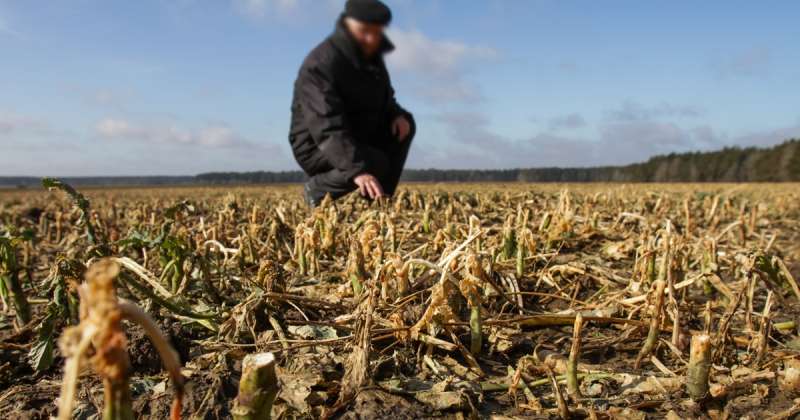
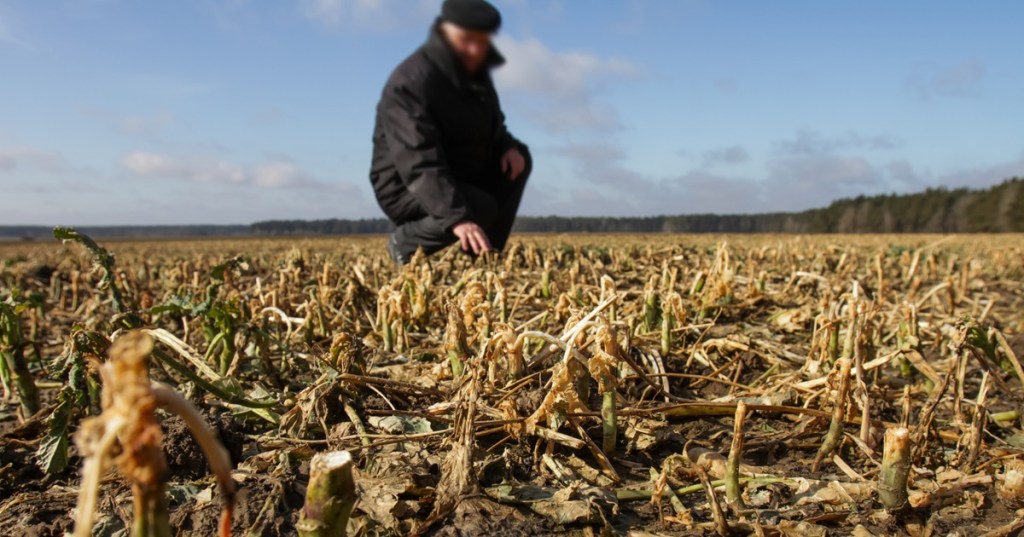
“We were dealing with failed crops at one minute because they didn’t have enough water and now we’re dealing with flooded fields and ruined crops because of too much water, as well as all kinds of damage to houses and roads and infrastructure because of flooding,” Thompson outlined.
Colorado weather sees ‘whiplash’ after dry winter and hot summer
Colorado’s new water year, which started in October, got off to a wet start. More than 6 inches of rain fell near the headwaters of the Rio Grande and San Juan rivers in just 48 hours. The San Juan, a major tributary to the Colorado River, wreaked havoc on the town of Pagosa Springs. The rainfall also added 50 feet of water to the Navajo Reservoir on the Colorado-New Mexico border.
Thompson noted flooding in Colorado is not rare but it is unusual to see so much rainfall at the start of ski season.
“Normally in November, if you have a big storm, it’s almost always going to be snow. But you’re having these floods because it’s rain, even in the high country, so the water’s running off instead of staying there as snow,” Thompson pointed out.
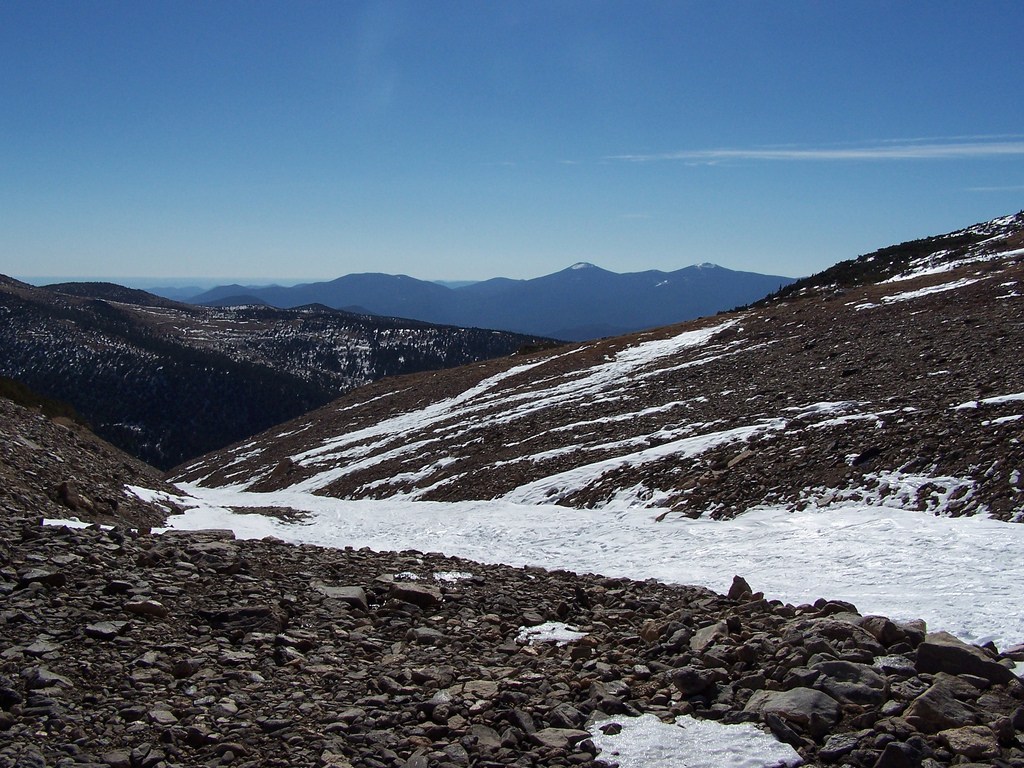
Warmer temperatures caused St. Mary’s Glacier near Idaho Springs to completely disappear this summer for the first time in more than 100 years. Drought and agricultural water diversions reduced the Colorado River’s flow near Palisade to a dribble and Lake Powell is still 150 feet below full.
Thompson stressed as the region’s historic weather patterns become less reliable, water managers are facing major challenges.
“It’s sort of a reckoning that we’re going to have to come up with new models for how to manage the water, and ways in which we adapt to new timing as far as when the water comes and what form it comes in,” Thompson observed.
Related: A blazing hot summer melted St. Mary’s Glacier for the first time on record