Reporting by Nate Trela, Chad Murphy and Kristen Jordan Shamus, USA Today Network
As of July 12, there have been 150 confirmed cases of cyclosporiasis in Colorado in 2026, including 38 since July 1, according to the Colorado Department of Public Health and Environment.
The case count is a little higher than in a typical year, possibly due in part to people getting tested more frequently because of the media attention generated by the outbreak tearing through the Midwest, said Hope Shuler, a spokesperson for the department.
Only eight of the 120 cases with completed investigations were domestically acquired, unlike the large number of domestically acquired infections elsewhere, Shuler noted.
But that doesn’t mean you can’t — or shouldn’t — take steps to protect yourself from a condition caused by a bug referred to as the “explosive diarrhea parasite.”
Many of the tips are basic advice for safely handling food, while people who want to take extra care could even try to avoid certain foods.
What is cyclosporiasis?
Cyclosporiasis is an intestinal illness caused by a parasite called cyclospora cayetanensis, more commonly just called cyclospora, according to the Centers for Disease Control and Prevention.
What foods should you avoid?
Investigators in Michigan — the site of the largest outbreak — are looking at lettuce and other salad greens as the possible source of the bacteria.
That would be in line with previous outbreaks in the United States and Canada, which were tied to bagged salad mixes and kits, such as precut lettuce blends with romaine, iceberg, red cabbage and carrots; fresh cilantro; basil; raspberries; snow peas; and green onions.
- In 2019, more than 2,400 people in 37 states and the District of Columbia became ill after eating imported basil from Mexico.
- In 1997, more than 1,000 people in the United States and Canada were sickened by contaminated raspberries imported from Guatemala.
- In 2005, people got sick after eating basil imported from Brazil, Peru, Mexico and Costa Rica.
- In 2018, lettuce served at McDonald’s restaurants was the source of a multistate outbreak of cyclosporiasis infections.
How can you protect yourself from cyclosporiasis in Colorado?
The CDC says the best way to prevent cyclosporiasis is to avoid food or water that may be contaminated with feces, which can carry the parasite.
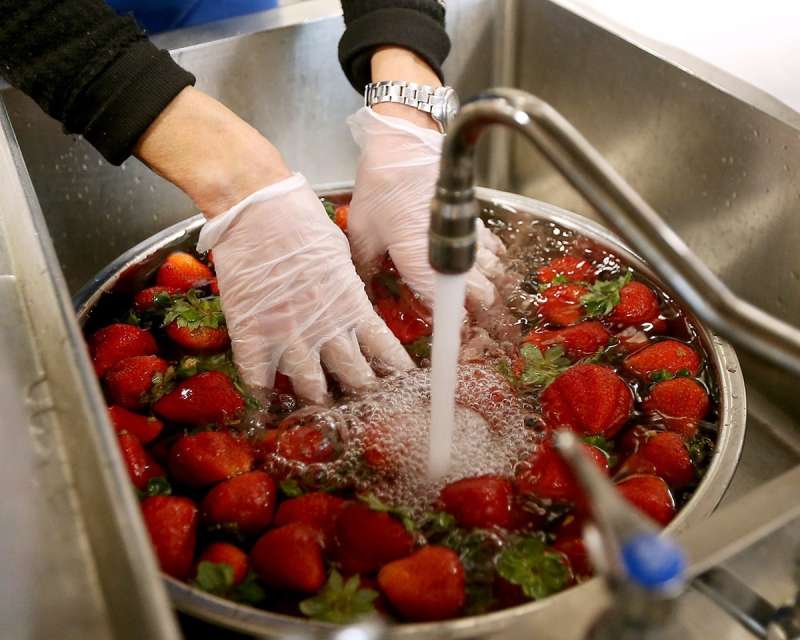
Among the most important ways to do that is following safe food-handling practices when dealing with fresh produce, including:
- Wash hands with soap and water before and after handling or preparing raw fruits and vegetables.
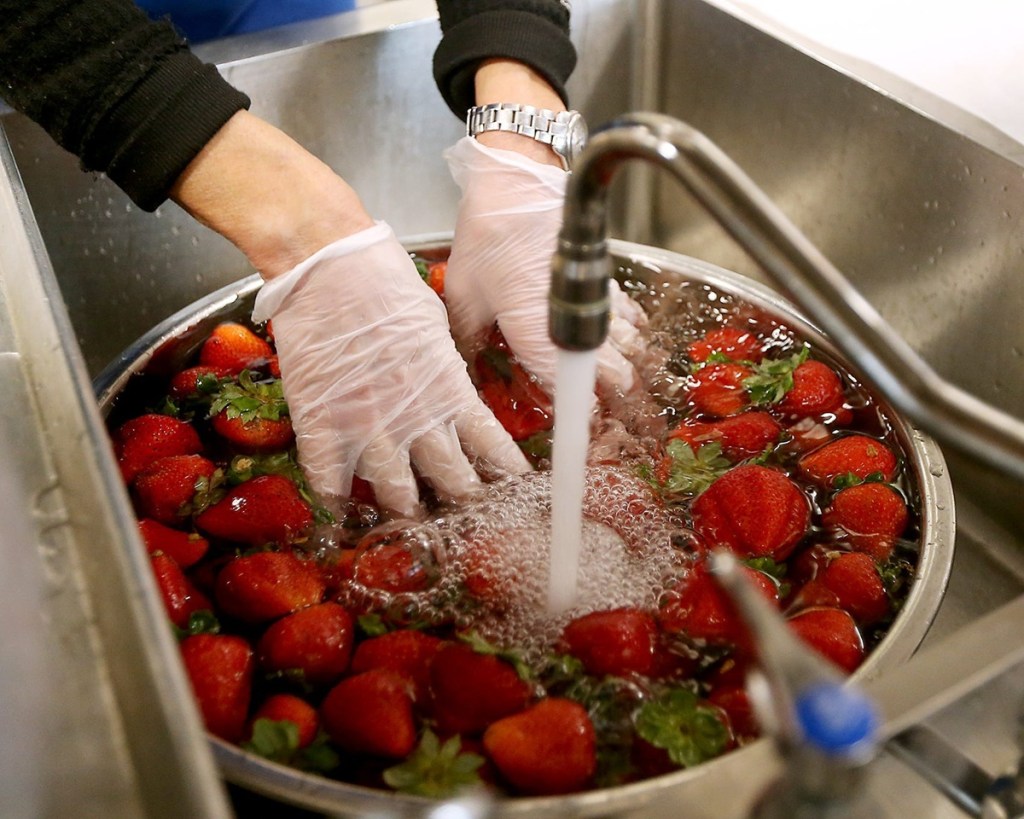
- Wash all fruits and vegetables thoroughly under running water before eating, cutting or cooking.
- Scrub firm fruits and vegetables, such as melons and cucumbers, with a clean produce brush.
- Cut away any damaged or bruised areas on fruits and vegetables before preparing and eating.
- Refrigerate cut, peeled or cooked fruits and vegetables as soon as possible (within two hours).
What is cyclosporiasis like?
A cyclosporiasis infection can often clear up on its own in healthy individuals, although symptoms may last several weeks.
Symptoms of cyclosporiasis may include:
- Explosive, watery diarrhea (most common).
- Loss of appetite.
- Weight loss.
- Cramping.
- Bloating.
- Increased gas.
- Nausea.
- Fatigue.
Less common symptoms include:
- Vomiting.
- Body aches.
- Headache.
- Low-grade fever.
- Other flu-like symptoms.
Nate Trela covers trending news in Colorado, with an emphasis on consumer finance, legal issues and state laws.That is in line with normal activity levels and shows no connection to the outbreak tearing through the Midwest.
This article originally appeared on Fort Collins Coloradoan.
Related: This local market was named best grocery store in Colorado. Here’s why