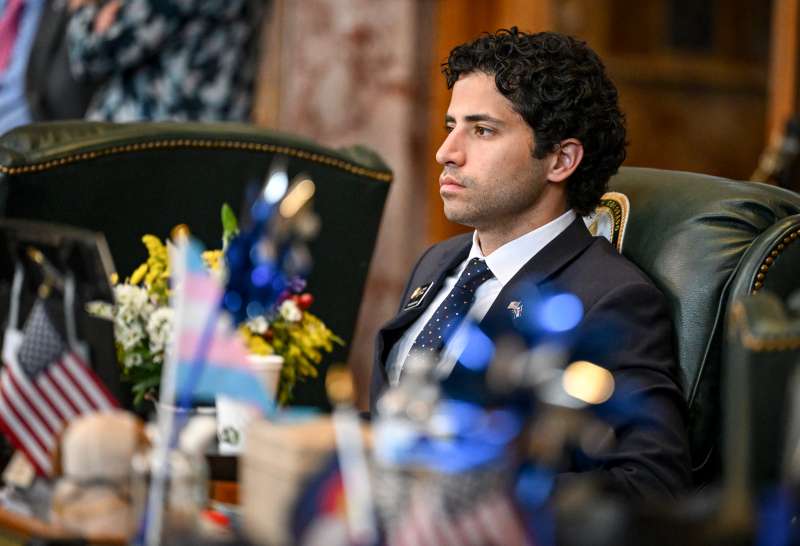
If you live in Colorado’s 8th Congressional District, you’ve probably seen them by now: the TV spots, the mailers, and the text messages attacking Democrat Manny Rutinel.
In about two weeks, one group has spent more than $1.2 million on them.
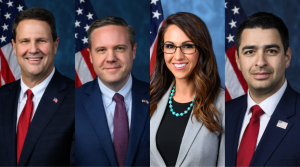
Rutinel is trying to unseat Republican Rep. Gabe Evans in a district that stretches from Denver’s northern suburbs to Greeley, in a race three independent forecasters rate a toss-up.
The spending started Sept. 8. By Sept. 22, a group called No Going Back PAC had reported spending $1,240,084 against Rutinel, more than $1 million of it on TV ads alone, according to the group’s federal filings.
What are the ads saying?
TV is the biggest piece, but No Going Back PAC has also paid for several rounds of mailers and text messages in the district.
At least one attack on Rutinel centers on voters’ wallets. An ad fact-checked by 9News claims “Manny voted to raise his own pay while supporting a nearly $4 trillion tax increase on working families.”
The pay-raise part doesn’t hold up. According to 9News, Rutinel voted in 2024 for a bill creating an independent commission to set future state lawmakers’ pay. He didn’t choose the dollar amount, and he won’t benefit from it, since he won’t be in the state legislature when the raise takes effect.
Who’s paying for the ads?
The name on these ads is No Going Back PAC. It’s a super PAC: a group that can raise and spend unlimited money on elections, as long as it doesn’t coordinate with a candidate’s campaign.
It’s also brand new. It registered with the federal government on Sept. 1, one week before its first attack on Rutinel.
On paper, it’s hard to tell apart from MAGA Inc., President Donald Trump’s main super PAC. Both list the same treasurer, the same Massachusetts mailing address, the same phone number, and the same bank, a connection first reported by CNBC and Raw Story. Neither group responded to Raw Story’s questions about it.
Colorado’s 8th is one stop on a national push. In its first two weeks, No Going Back PAC reported close to $25 million in spending across the country in races that will help decide which party controls Congress, including in two other Colorado congressional elections.
Why don’t we know who’s funding it?
What voters won’t see before they vote is who’s giving No Going Back PAC its money.
Super PACs have to name their donors, but on a schedule. This group chose one that means its first donor list isn’t due until Oct. 20.
Colorado starts mailing ballots Oct. 2. By the time anyone can see who paid for these ads, plenty of voters in the district will have already filled theirs out. Any money the group raises after Oct. 14 won’t be public until after Election Day.
That matters in a district this close. Evans won it in 2024 by fewer than 2,500 votes, less than one percentage point. In a race that tight, $1.2 million in ads doesn’t need to change many minds to make a difference.
So, as the mailers keep coming, check the “paid for by” line. If it’s a group you’ve never heard of, it’s fair to ask who’s behind it, and why they don’t have to say until the votes are in.