Reporting by Miles Blumhardt, Fort Collins Coloradoan
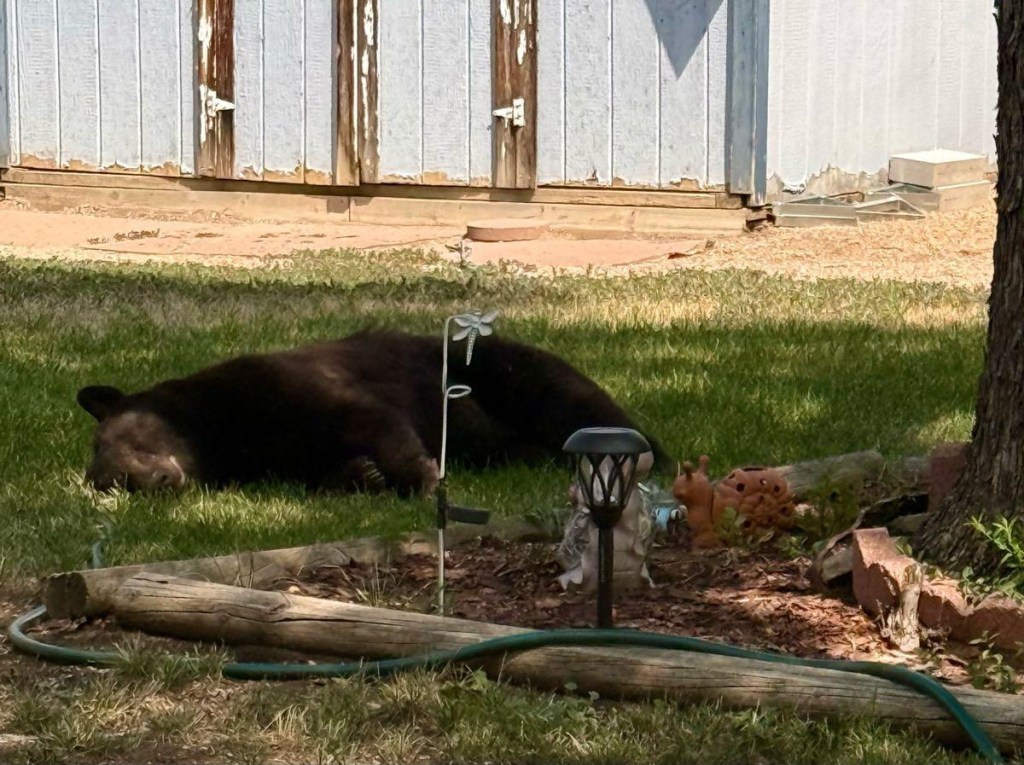
Colorado’s persistent drought and active wildfires are a one-two punch driving wildlife into urban areas, with the state seeing nearly twice as many bear sighting reports this year compared to last year.
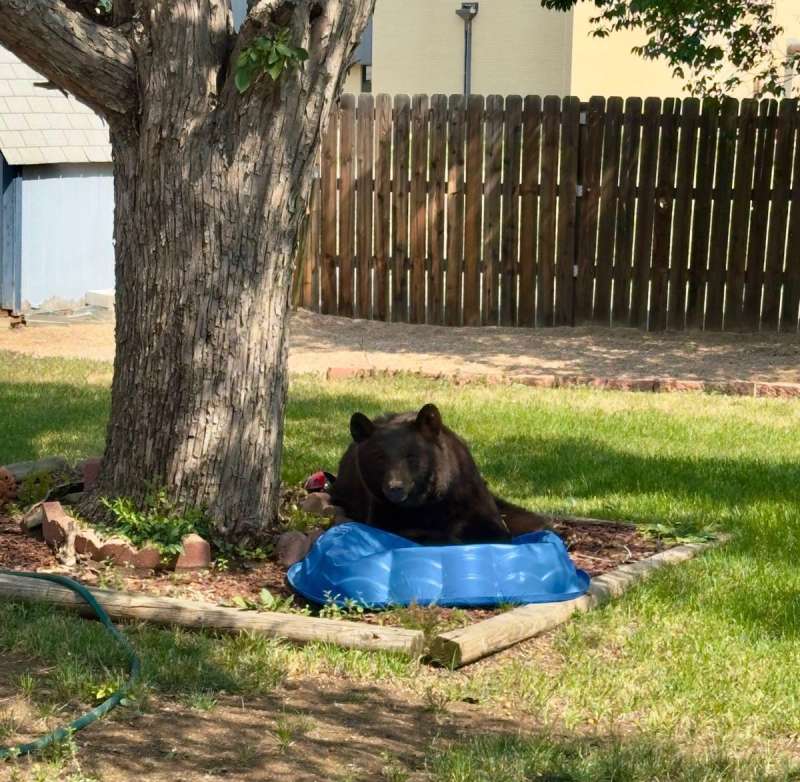
Photos and videos of bears and other wildlife in Colorado cities like Fort Collins and other towns are proliferating on social media this summer as wildlife is drawn to urban areas in search of food and water.
Colorado Parks and Wildlife spokesperson Kara Van Hoose told the Coloradoan that Fort Collins has seen 29 bear reports this year as of Aug. 11, well above normal.
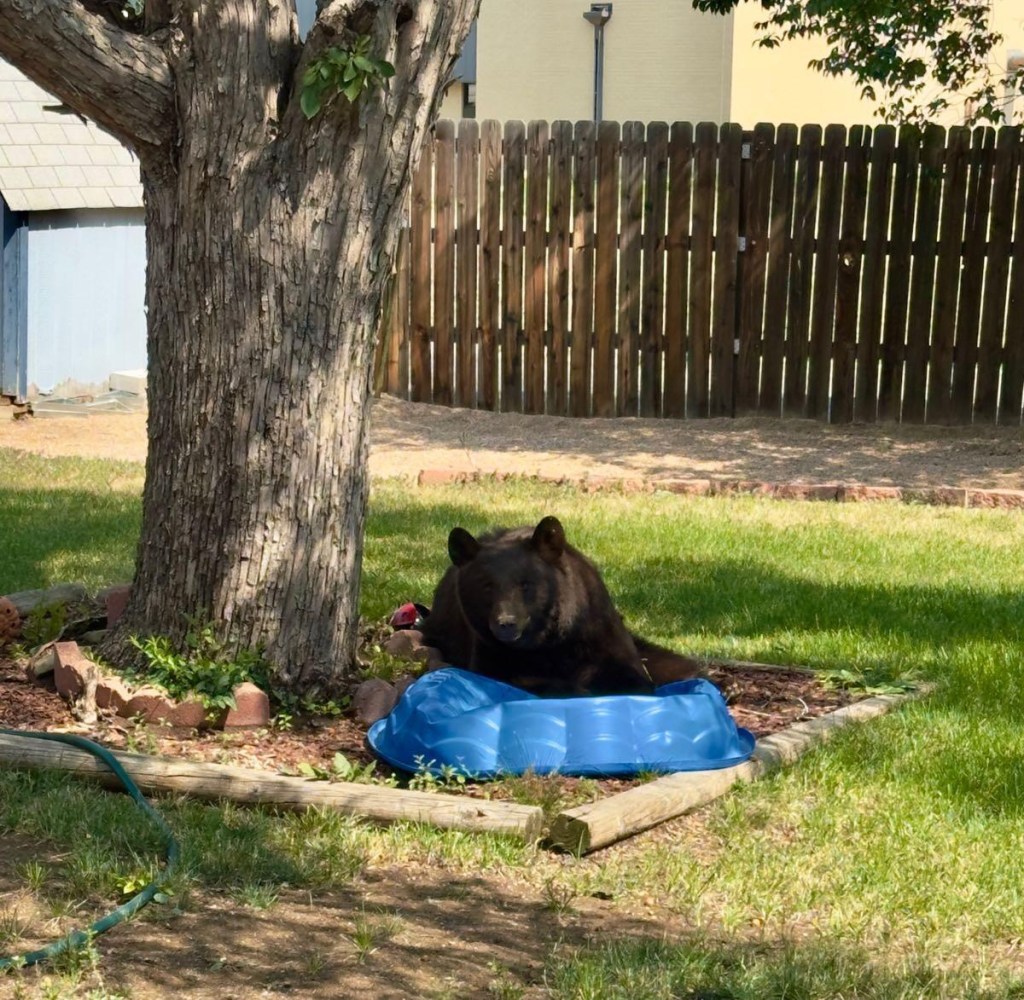
The agency said it is seeing a significant increase in bear activity statewide this summer as bears migrate into neighborhoods and cities in search of food, mostly human trash.
The agency received 5,197 reports of bear sightings and incidents as of Aug. 7, a significant increase from 2,853 reports in 2025 over the same time period, according to an agency news release Aug. 11. July and August accounted for nearly half of the 5,299 bear reports last year, according to agency data.
The agency said it is monitoring habitat conditions impacted by drought and wildfires as many wildlife face increased stress searching for food, water and shelter.
“This summer in particular, we ask people to be mindful that wildlife are having to work harder to find food and water,” Casey Cooley, state wildlife agency habitat conservation supervisor, said in the news release. “The best thing we can do to support them is to keep them wild and not feed or disturb them.”
‘If this continues, there may be an extreme die-off of wildlife’
However, human intervention might be necessary.
Colorado Parks and Wildlife Commissioner Dallas May implored the Colorado Department of Agriculture to look at securing strategic water sources in remote areas for livestock and wildlife as water sources on private land are drying up.
“The drought is so severe that wells that have never dried up are drying up,” May said at the commission meeting July 16-17 in Ignacio. “If this continues, there may be an extreme die-off of wildlife. The canary in coal mine is when you have pronghorns starting to come off the prairie into irrigated country looking for a source of water.”
The latest Colorado drought monitor map shows more than 97% of the state is in some drought classification. That includes 47% in extreme or exceptional drought, stretching the width of the state and consuming the Front Range, central and southern mountains, and areas of the Western Slope, where wildfires have burned and continue to burn critical wildlife habitat.
The agency said drought reduces growth of important shrubs used by bears, elk, moose, pronghorn and mule deer, which directly impacts available food and the number of animals the habitat can support.
Large wildfires initially reduce habitat quality, displace wildlife and increase competition for limited resources. Wildlife unable to move from wildfires quickly enough or that rely on specialized habitats are especially vulnerable this summer, the agency said.
“Summer wildfires and drought test every creature,” Cooley said in the news release. “Feeding wildlife can increase the chances of human-wildlife conflicts or make them sick and dehydrated.”
Here is what happens when you report a bear sighting to Colorado Parks and Wildlife. To a report a sighting, click here.
Colorado’s fish also impacted by drought as die-offs and closures increase
Historically low snowpack has caused a slew of fish kills and led Colorado Parks and Wildlife to close bodies of water to fishing and motorized boating and order fishing restrictions and emergency public fish salvages.
At least two of those fish kills took place in Larimer County. Thousands of fish died in Horseshoe Lake, a private lake in northeast Loveland, and flowed into Boyd Lake State Park. A pond at Fossil Creek Community Park in Fort Collins also suffered a die-off due to lower water levels and hot temperatures in July, the hottest month ever recorded in the city, according to the Colorado Climate Center.
Low water levels also prompted Colorado Parks and Wildlife to end motorized boating at popular Boyd Lake at the end of June.
The agency said it will look at adjusting hunting and fishing season structures and license quotas in areas affected by wildfire damage.
This article originally appeared on Fort Collins Coloradoan.
Related: This Colorado wild animal sanctuary gives rescued wildlife a second chance