Reporting by Miles Blumhardt, Fort Collins Coloradoan
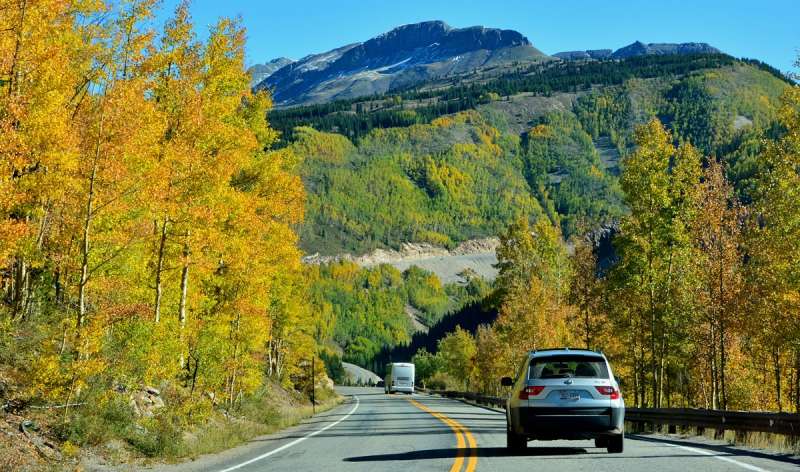
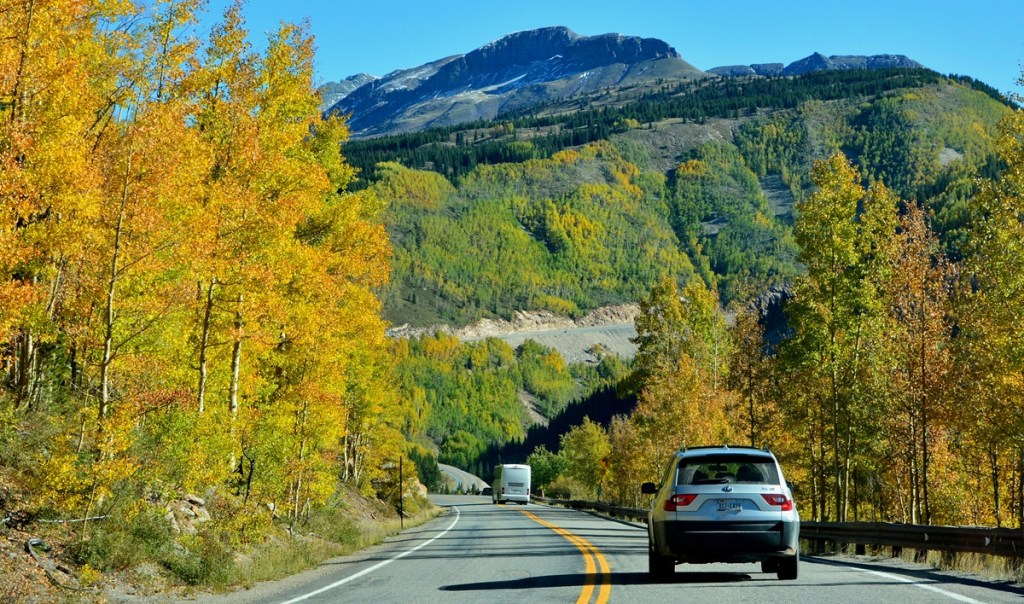
Colorado’s historical drought that has forced wildlife, especially bears, into urban areas in search of food will also impact leaf-peeping in Colorado this year, namely when it comes to aspen trees.
Aspen turn color as the days get shorter in fall, but other factors such as drought can affect them, resulting in aspen turning color earlier and putting on a less vibrant show, according to the Colorado State Forest Service.
“Healthy trees are critical for aspens to display strong colors and retain leaves later into the fall,” the service stated on its website. “The more robust an aspen stand is, the more attractive its colors will be. Unhealthy aspen stands are less likely to have vibrant colors.”
Some Colorado aspen stands are showing signs of drought stress with brown, crinkled leaves, which results in premature leaf drop.
The latest Colorado drought monitor map continues to show much of Colorado’s core mountain aspen viewing areas in extreme or exceptional drought conditions, the two highest categories.
There is some good news for viewing this year in that aspen are among the first plants to regenerate and dominate after a wildfire. Stands of aspen 4 to 8 feet tall now cover large areas of burn scars from the 2020 Cameron Peak and East Troublesome fires, the state’s two largest wildfires that combined to burn more than 400,000 acres in the northern mountains.
Here’s an early look at peak fall color viewing in Colorado
Generally, the show starts in early September and goes into October with stands at higher elevation and those farther north starting the show and lower and more southerly locations peaking later, according to the State Forest Service.
Here are the fall color peak viewing times, according to the State Forest Service:
- Northern mountains, high passes 9,500 feet and higher: early to mid-September
- Central mountains, 8,000 to 9,500 feet: mid- to late September
- Southern Colorado and San Juan Mountains: late September
- Foothills and Front Range, 8,000 feet and below: late September to early October
The nationwide fall foliage prediction map can be found here.
Best fall color drives in Northern Colorado
- Peak to Peak Highway: This drive on Colorado Highway 7 from Estes Park to Central City/Black Hawk takes you along the eastern edge of Rocky Mountain National Park and offers excellent viewing.
- Buckhorn Canyon/Soule Park loop: One of the more popular and closest aspen viewing drives to Fort Collins includes a loop consisting of Buckhorn Road (Larimer County Road 44H), Larimer County Road 63 (the road to Soule Park, formerly called Pingree Park), Colorado Highway 14, Larimer County Road 27 (Stove Prairie Road) and Rist Canyon Road (Larimer County Road 52E).
- Upper Poudre Canyon: The Cameron Peak Fire burned much of this area, but many aspen in the stretch from Rustic to Cameron Pass have grown back and though shorter can offer a colorful show along Colorado Highway 14. The aspen viewing picks up around Rustic toward Cameron Pass, in the Gould area and all the way to North Park. Take a side drive on Long Draw Road for more aspen, and moose, viewing.
- Rocky Mountain National Park: A good loop drive is to take the slower (and less crowded) gravel Fall River Road up and take the paved (and more crowded) Trail Ridge Road down. Bear Lake Road also puts on a good show. Depending on what time of day you drive here, you might need a timed entry permit reservation.
- Colorado State Forest State Park: Aspen abound around the Moose Visitor Center and in the 71,000-acre state park 70 miles west of Fort Collins
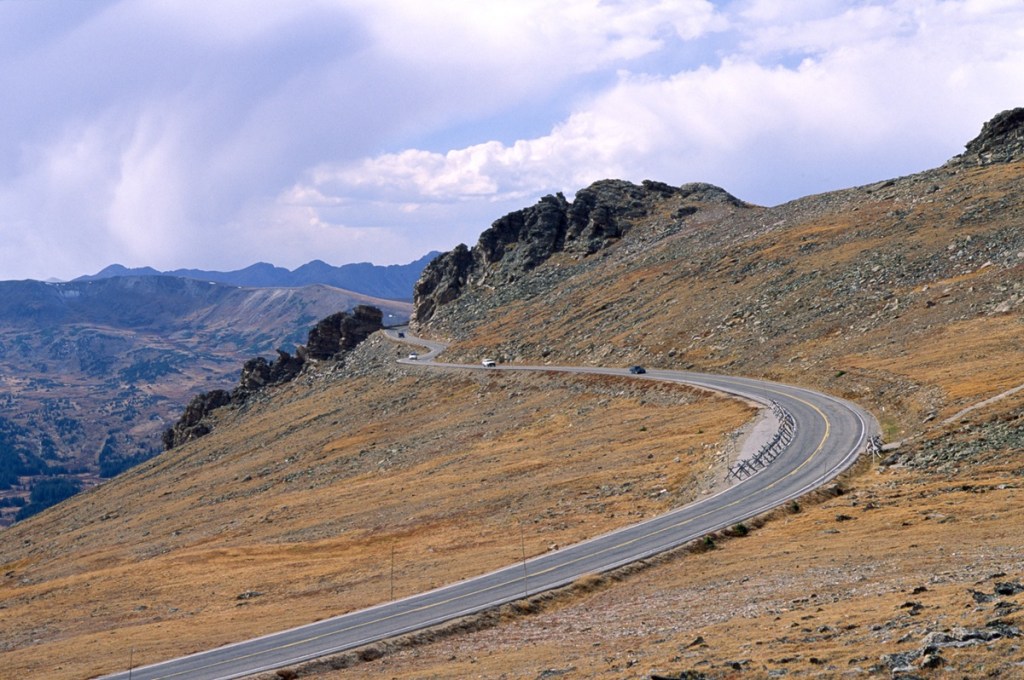
Colorado’s best fall color drives
- Kebler Pass: The 30-mile drive on a mix of pavement and gravel on Kebler Pass Road (Gunnison County Road 12) just west of Crested Butte to Colorado Highway 133 is the quintessential Colorado aspen drive. This area boasts the largest aspen grove in North America.
- Maroon Bells: Located about 42 miles southeast of Aspen off of Colorado Highway 82, this is one of the most photographed places in Colorado, for good reason. Make sure to secure a reservation before visiting.
- Dallas Divide: Take Colorado Highway 62 west from Ridgway. For even more color, continue to Colorado Highway 145 south to Telluride on the San Juan Skyway. This area offers a superb combination of bountiful aspen and majestic mountains in 14,157-foot Mount Sneffels and 14,252-foot Mount Wilson.
- Grand Mesa Scenic Byway: This 63-mile paved road leaves Interstate 70 about 45 miles east of Grand Junction and heads up Colorado Highway 65 on the Grand Mesa to Cedaredge. The world’s largest mesa is filled with color from aspen, cottonwoods and scrub oak dotted with aspen-ringed lakes.
- La Veta Pass: This 50-mile drive on U.S. Highway 160 takes you from Walsenburg to Fort Garland and offers golden aspen mixing with the dark greens of pines and stunning views of the Spanish Peaks and Sangre de Cristo mountains that tower above the San Luis Valley floor.
- Guanella Pass: This 22-mile scenic byway between Georgetown and Grant is one of the most popular viewing areas due to its close proximity to Denver. From I-70, take the Georgetown exit and follow the signs. While the aspen show is grand here, so are the crowds. Be aware that strict parking restrictions are enforced at the summit and extend at least one-half mile north and south during peak leaf season.
- Flat Tops Trail: Ditch the crowds on this 82-mile stretch of paved and gravel road between Meeker and Yampa and experience one of the best aspen viewing drives in northwest Colorado.
- Golden Gate Canyon State Park: Another extremely crowded area due to its proximity to Denver, but the show at this 12,119-acre state park can be outstanding.
Colorado’s fall color show attracts heavy travel to the mountains. How to navigate the congestion
To improve your and other fall color travelers’ experience, the Colorado Department of Transportation urges leaf peepers to plan ahead and follow some simple rules:
- Don’t be that person: Never stop in travel lanes, and park in designated turnouts.
- Watch out for distracted leaf peepers, especially around pullouts, overlooks and trailheads.
- Weekends are a nightmare in popular areas. For best viewing, consider going Tuesday through Thursday. Construction work will only make congestion worse.
- Leave the driving to Bustang, the department’s public bus service. It offers rides to Estes Park, across I- 70 to Grand Junction, Steamboat, Granby and other popular viewing areas. For schedule, route information and tickets, visit Ridebustang.com.
- CDOT has upgraded its COtrip.org travel planner app that includes an interactive map to help you more smoothly navigate your trip.
This article originally appeared on Fort Collins Coloradoan.
Related: Fall fun in Weld County: Best pumpkin patches, corn mazes, hay rides, & more