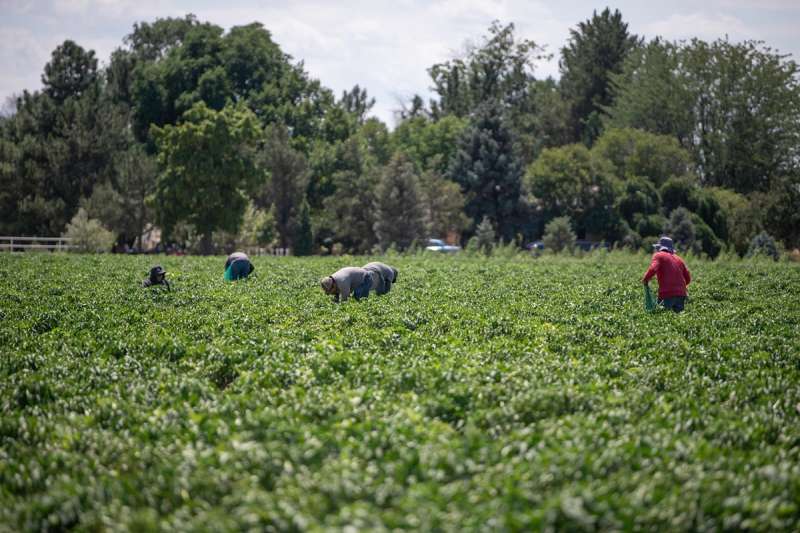
Reporting by James Bartolo, Pueblo Chieftain
Despite a 4.2-million-gallon sewage spill into the Arkansas River, state officials say Lower Arkansas Valley produce like Pueblo chiles and Rocky Ford melons is considered safe to eat this fall.
Robert Sakata, senior advisor to the commissioner with the Colorado Department of Agriculture, told the Chieftain that all producers throughout the Lower Arkansas Valley were promptly notified of the spill and asked about their practices. Fortunately, most produce growers in the Lower Arkansas Valley had already made the switch to well water — as opposed to drawing directly from the Arkansas River — due to drought conditions.
“They knew coming into this year with the snowpack being so low, that they couldn’t depend on the river water, so they just went straight to wells,” Lower Arkansas Valley Water Conservancy District General Manager Jack Goble said.
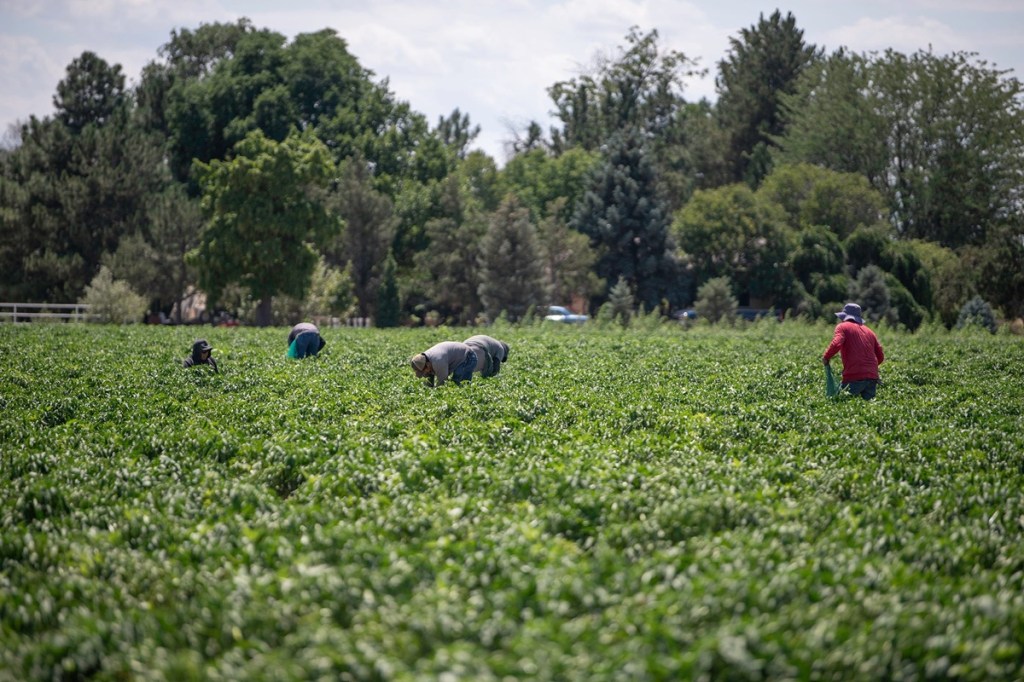
Additionally, farmers that do use surface water in Pueblo County rely on the Bessemer Ditch. The irrigation ditch diverts its water directly out of the Pueblo Reservoir, upstream of where the sewage spill occurred.
Safeguards like safety training and thorough third-party audits for producers selling through major retailers were also put in place and taken “seriously” in the Lower Arkansas Valley prior to the spill, Sakata said.
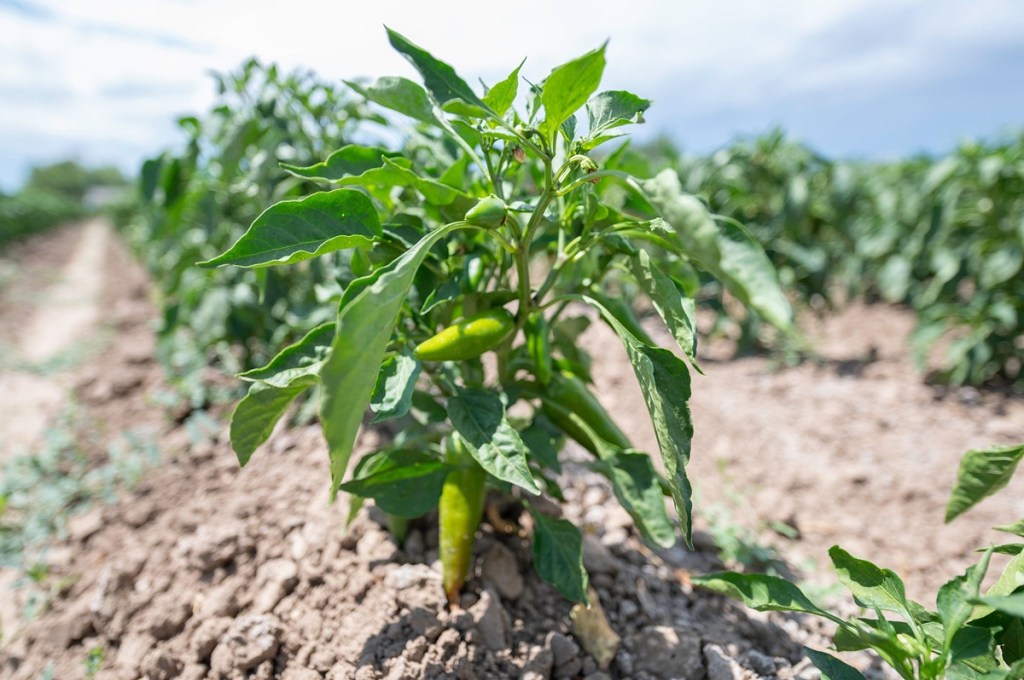
The Colorado Department of Agriculture was made aware of a single instance in which potentially contaminated surface water was applied to a small pepper field in Otero County, but the grower voluntarily abandoned the crop.
“I really feel confident that the producers have done everything they can to reduce the risk,” Sakata said.
In fact, Sakata told the Chieftain it is more important than ever this year to enjoy local produce due to the tough drought conditions producers have faced.
“Plus, it’s good for you and it tastes great,” he said.
Consumers encouraged to wash Pueblo chiles, other produce as usual
Goble told the Chieftain that consumer risk this fall is the same as it would be without a spill. Consumers are encouraged, as always, to wash their fresh produce before they eat it.
“You’d hate for misinformation to get out there and people to not buy this great, fresh produce because of misinformation,” Goble said. “It’s important for folks to understand the risk is no different than if the spill wouldn’t have occurred when it comes to fresh produce.”
While Pueblo County and other Lower Arkansas Valley produce is considered safe for human consumption, the Colorado Department of Agriculture is in the process of working with experts from Colorado State University to determine if the spill had any impact on livestock feed like alfalfa.
Pueblo Chieftain reporter James Bartolo can be reached at JBartolo@gannett.com. Support local news; subscribe to the Pueblo Chieftain at subscribe.chieftain.com.
This article originally appeared on The Pueblo Chieftain.
Related: Your guide to Northern Colorado’s green chile season