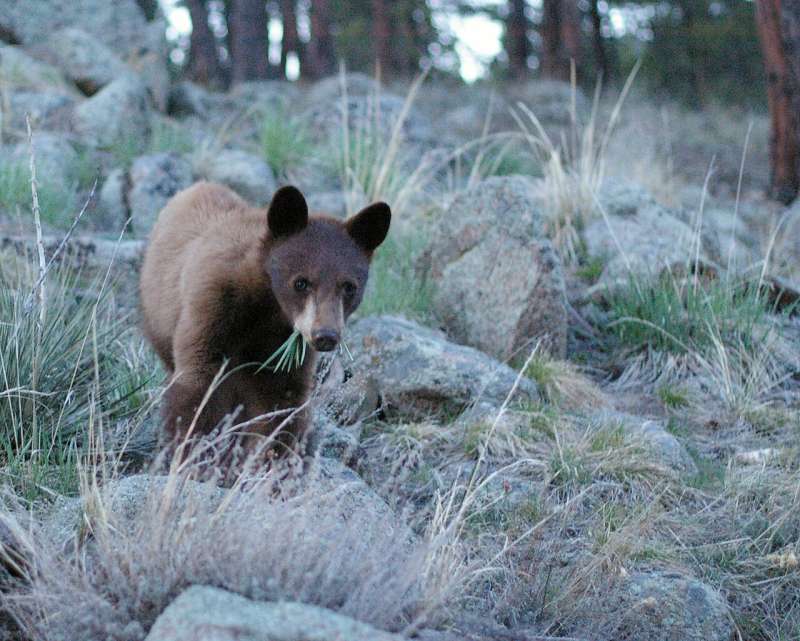
The death of a bear that got trapped inside a vehicle in Colorado Springs this month underscores a recent change to a state wildlife luring law that makes it easier for law enforcement to cite people who leave out food or edible waste that could lure bears.
The 250-pound black bear is believed to have entered an unlocked car and destroyed it before dying. It was found days later, according to reporting from KKTV’s Aspen Andrews.
Though it’s unclear what lured the bear into the car, or what legal responsibility the vehicle’s owner legally bears in the incident, it does highlight the reasons behind a new law that went into effect just days before the bear was discovered.
New law lowers burden of proof against people whose actions lure bears
House Bill 26-1342, passed by the Colorado General Assembly in May, amended Colorado law by changing the legal standard from “intentionally” luring bears into an area where they might conflict with humans to doing so “knowingly.”
“The change removes the requirement that law enforcement prove a person intended to lure a bear and instead allows enforcement when a person knowingly places food or edible waste in the open under circumstances where there is a reasonable probability it will attract a bear,” read a release from Colorado Parks & Wildlife (CPW) on Aug. 13, the day the law went into effect.
The law, which was supported by CPW, also removes the requirement that first-time offenders receive a warning, giving CPW officers and other law enforcement the discretion to issue either a warning or a violation based on their reading of the situation. For a third or subsequent offense, the fine increases from $2,000 to $5,000.
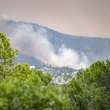
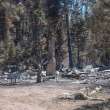
The new law takes effect as Colorado’s persistent drought and active wildfires have driven wildlife into urban areas, leading to a spike in bear sightings in places where they’re usually rare.
According to CPW, the agency received 6,129 reports of bear sightings and conflicts from Jan. 1-Aug. 13 this year compared with 3,115 during the same period in 2025. This year is on pace to have the highest number of bear reports since CPW implemented its statewide digital reporting system in 2019.
Read CPW’s tips on how to better prevent human-caused conflicts with bears outdoors and at home here.
RELATED: Bears, other wildlife reported in Colorado cities following drought, wildfires